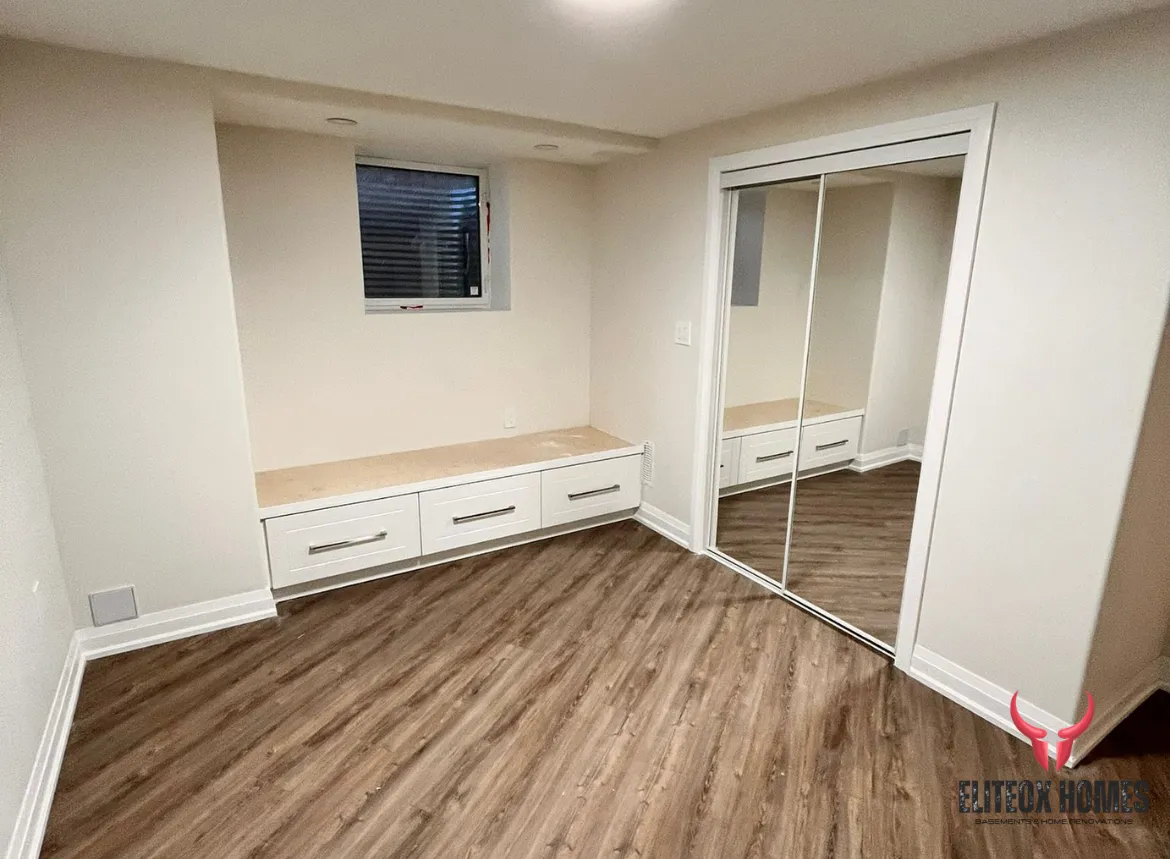
Legal Basement vs. Finished Basement: What's the Difference?
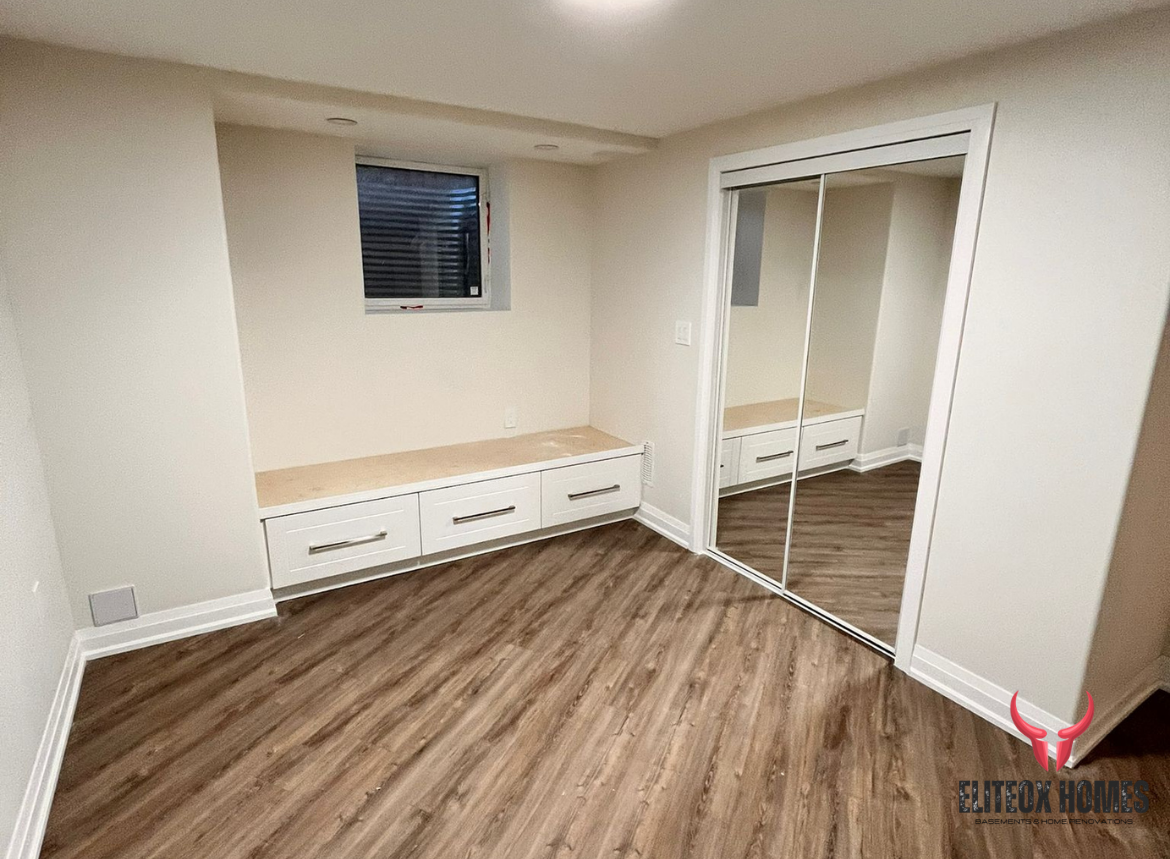
Legal Basement vs. Finished Basement: What's the Difference?
Here's a question we hear all the time: "My basement is finished — does that mean it's legal?"
Short answer: no. A finished basement and a legal basement are two completely different things, and mixing them up is one of the most expensive mistakes a homeowner can make. Let's clear it up.
The Quick Answer
Finished Basement | Legal Basement | |
|---|---|---|
What it is | Living space for your own household | An approved secondary dwelling unit |
Kitchen | Wet bar at most — no full kitchen | Full kitchen |
Entrance | Uses your main entrance | Separate entrance (or compliant exit arrangement) |
Building permit | Sometimes required | Always required, with inspections |
Meets Ontario Building Code for a second unit | No | Yes |
Can be legally rented out | No | Yes |
Typical cost (2026) | $45,000 – $85,000 | $80,000 – $115,000 |
What Is a Finished Basement?
A finished basement is extra living space for you and your family. Rec room, home office, gym, guest bedroom, bathroom — whatever your household needs.
It's built for comfort, not for compliance as a separate home. It uses your furnace, your electrical panel, your front door. Nobody else lives down there independently.
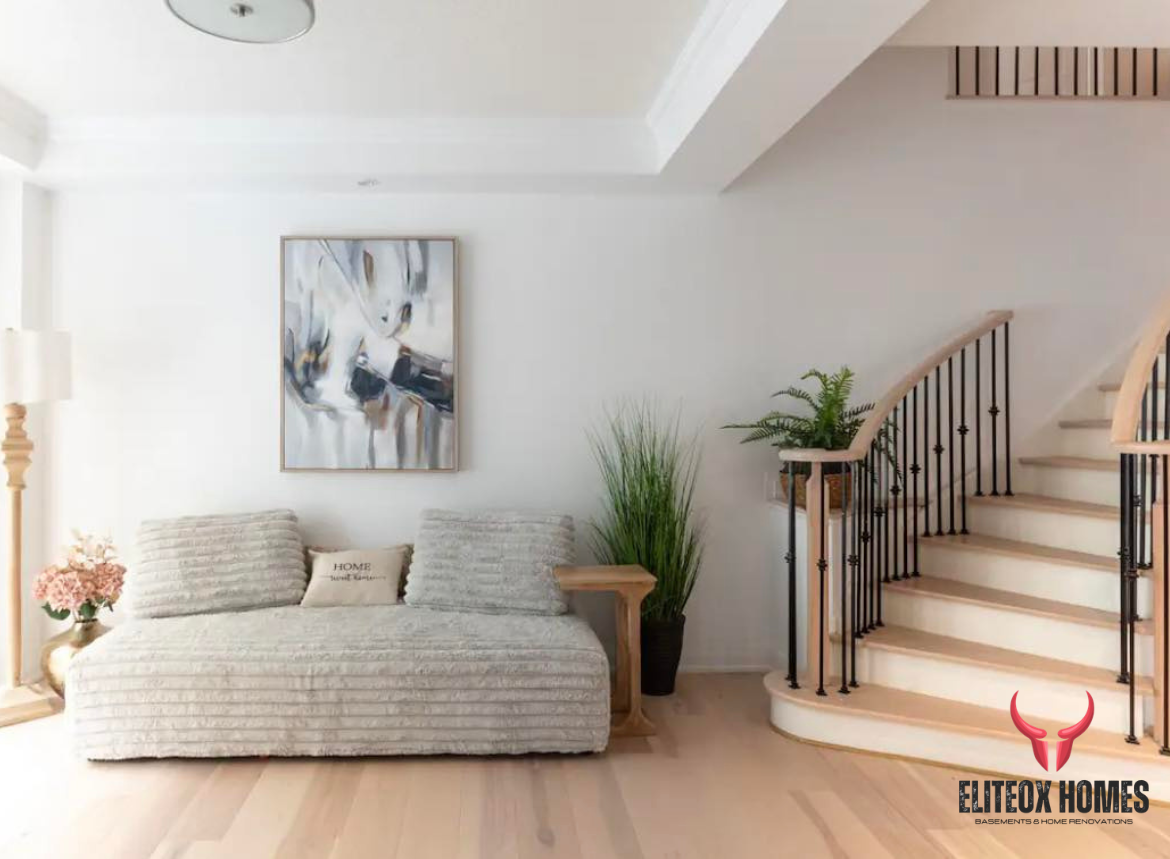
Most finished basements don't need much beyond standard construction — framing, insulation, drywall, electrical, flooring, paint. If you're adding a bathroom or moving plumbing around, permits usually come into play, but you're not building a second dwelling.
What Is a Legal Basement?
A legal basement is a self-contained second home inside your house — what Ontario calls a secondary dwelling unit. It has to satisfy the Ontario Building Code and your municipality's zoning, and it has to be approved with permits and inspections.
That means, depending on the design:
A compliant exit arrangement — typically a separate entrance, evaluated against code for your specific property
Egress windows — bedroom windows sized and configured so someone can actually get out in an emergency
Fire separation — rated assemblies between the two units so a fire downstairs doesn't trap the people upstairs (and vice versa)
Interconnected smoke and CO alarms — when one goes off, they all go off
Proper ceiling heights — the 2024 Ontario Building Code has specific minimums for secondary suites
Heating, ventilation and sound control designed for two separate households
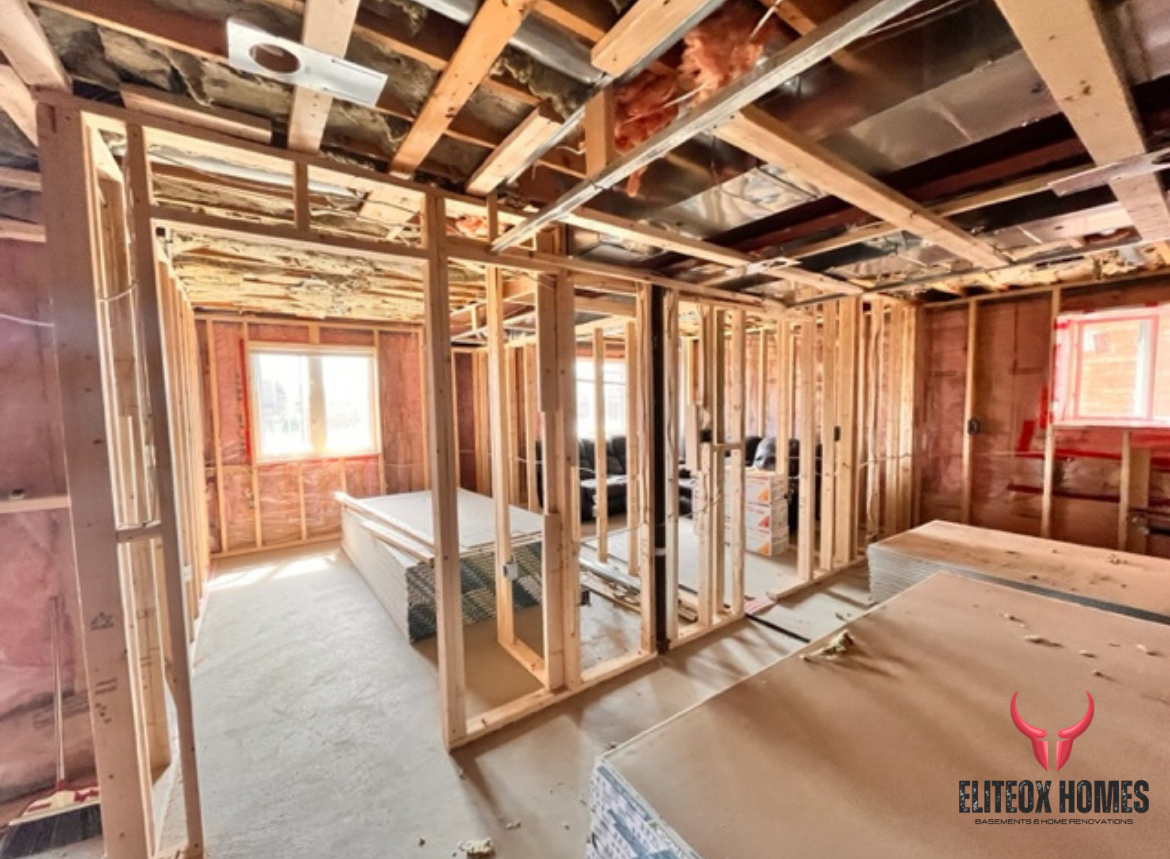
None of this is optional. It's inspected at multiple stages. And that's exactly why it costs more — you're building to a higher standard, with engineering, permits, and inspections baked in.
The Misconception That Costs People Money
The most common thing we hear: "My basement has a bedroom, a bathroom and a kitchenette — so it's a legal basement, right?"
No. A kitchenette doesn't make it legal. Fresh paint doesn't make it legal. What makes it legal is municipal approval — permits issued, inspections passed, and the unit meeting code.
An unpermitted basement apartment can cause real problems:
When you sell: the buyer's lawyer or home inspector flags it, and suddenly you're either tearing work out or discounting the price.
Insurance: if there's a fire or flood in an unapproved unit, your insurer can deny the claim.
The city: a complaint from a neighbour can trigger an order to remove the unit entirely.
We've seen all three happen. The permit costs a fraction of what the fallout costs.
The Money Side: Cost vs. Return
A finished basement costs less because it's simpler construction. A legal suite costs more — but it's the only one of the two that can pay you back.
A legal basement apartment in Milton, Mississauga, Oakville, Brampton or Burlington rents for roughly $1,800–$2,400/month. At that rate, the extra cost of building legal over just finishing the space can pay for itself in a few years — and then it keeps paying.
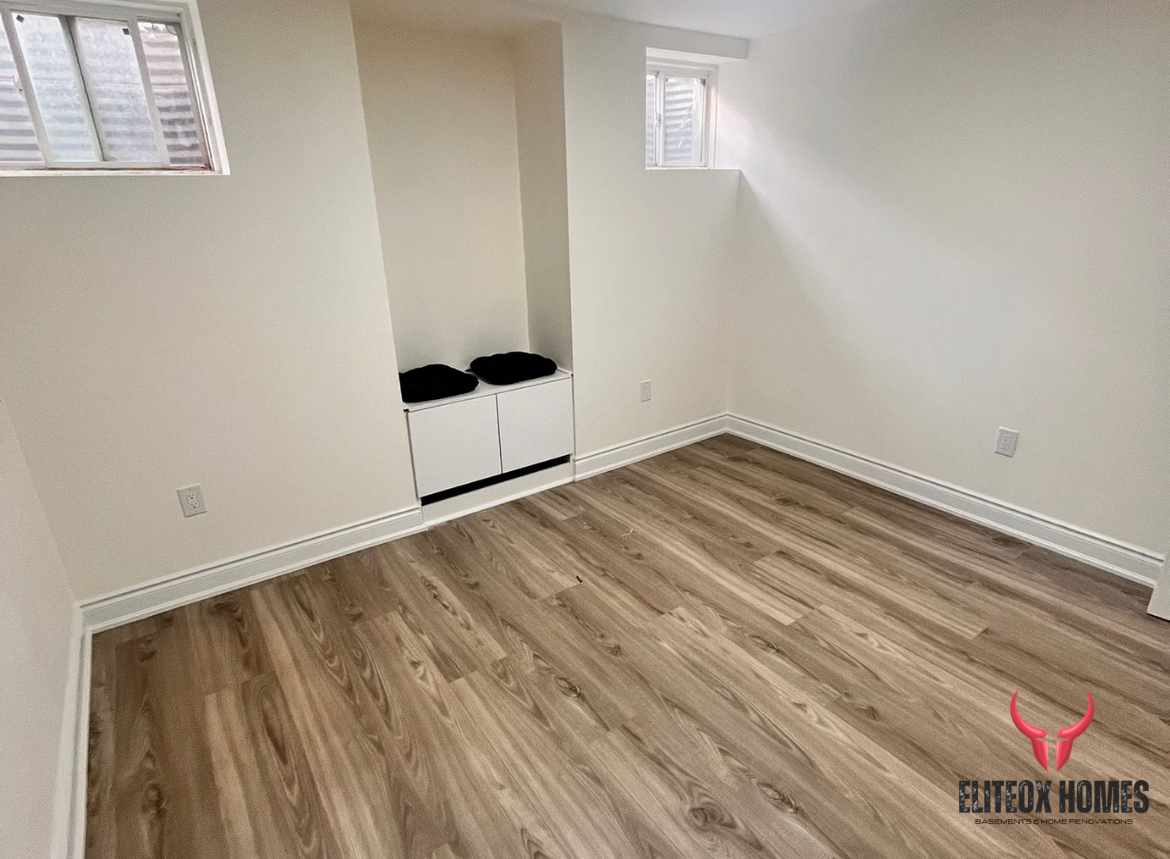
A finished basement adds comfort and resale appeal, which has real value. But it doesn't generate income, and appraisers treat it differently from an approved secondary suite. If rental income or multigenerational living is anywhere in your plans, build it legal from the start — converting later means opening up finished walls to add fire separation, exits and alarms. Doing it twice costs far more than doing it right once.
Can You Convert a Finished Basement Into a Legal One Later?
Sometimes. But it's rarely as simple as people hope.
An existing finished basement usually needs upgrades to meet code: ceiling height verification, proper egress windows, fire-rated separation, a compliant entrance, upgraded electrical and ventilation. That means cutting into finished drywall, and in some cases the layout itself won't work — a bedroom in the wrong spot, or ceiling height that can't be fixed without major structural work.
If there's any chance you'll want a legal suite down the road, say so before construction starts. Designing for it now is dramatically cheaper than retrofitting later.
Which One Should You Build?
Build a finished basement if: you want more space for your own family — a rec room, office, gym, guest space — with no plans to rent it out.
Build a legal basement if: you want rental income, a space for parents or adult kids with real independence, or the maximum resale value. Just go in knowing it costs more and takes longer (typically 8–12 weeks plus permit time).
Either way, start with a proper site visit. The condition of your basement — ceiling height, existing plumbing, electrical panel, moisture — decides a lot before you've even picked a layout.
FAQs
How do I know if my basement is a legal apartment?
Check whether permits were issued and inspections passed for a secondary dwelling unit. If a previous owner "finished" it without permits, it's not legal regardless of how nice it looks. Your municipality's building department can confirm.
Does a legal basement need a separate entrance?
Not in every configuration — it depends on the approved exit arrangement meeting code for your property. A separate entrance is the most common setup, but the design has to be evaluated properly.
How much more does a legal basement cost than a finished one?
Roughly $20,000–$40,000 more on a typical project, depending on entrance work, fire separation, and kitchen. The 2026 ranges: $45,000–$85,000 finished vs. $80,000–$115,000 legal.
Will a legal basement raise my property taxes?
Possibly — an approved secondary suite can change your property's assessment. Check with MPAC and your municipality. It's a real cost to factor into the rental math.
Can I rent out a finished (non-legal) basement?
No — not legally in Ontario. Renting an unapproved unit exposes you to city orders, insurance problems, and liability if something goes wrong.
Get an Honest Assessment of Your Basement
Not every basement can become a legal suite, and not every homeowner needs one. What you need is someone to look at your actual basement and tell you straight what's possible, what it costs, and what's not worth doing.
We offer a free on-site consultation across Milton, Mississauga, Oakville, Brampton, Burlington and surrounding areas (about a 50 km radius). You'll get a detailed written scope with fixed pricing — not a guess.
Message us on WhatsApp: +1 905-902-4307
EliteOX Homes Inc. — Basements, washrooms and full home renovations. 905-902-4307 | [email protected] | eliteoxhomes.com